
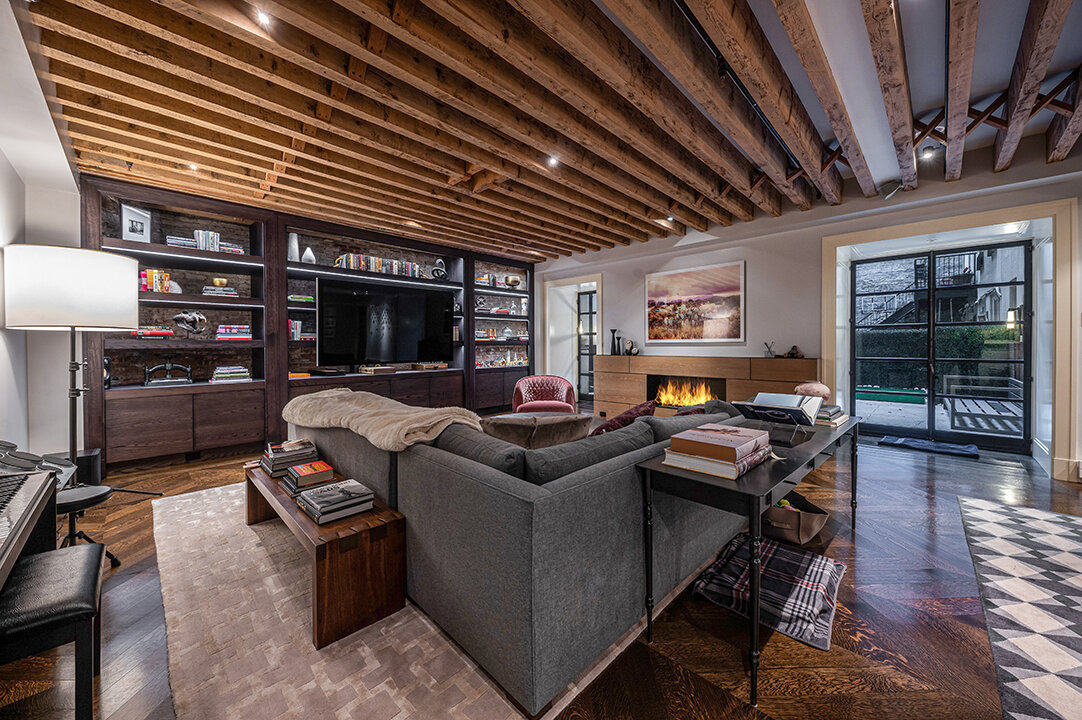
Media units are often chosen late in the design process, after the larger furniture pieces are already in place. Many rely on standard consoles or wall-mounted setups that seem to fit well enough, offering a familiar solution that’s easy to implement.
But as living rooms and family spaces take on more roles—hosting, relaxing, working, and entertaining, those standard solutions don’t always hold up. Small issues and mild inconveniences can quietly affect how the space feels over time. In this article, we’ll explore what makes a media unit truly functional, and how thoughtful design decisions can transform it from an afterthought into an integral part of the room.
Why Media Units Deserve More Design Attention
Living rooms and family rooms often serve multiple purposes: entertaining, lounging, watching movies, working, or simply unwinding at the end of the day. The media unit sits at the center of these activities, which makes its design more consequential than it might initially appear.
A poorly designed media unit can create everyday frustrations—awkward viewing angles, visible wiring, insufficient storage, or visual clutter. Over time, these small issues add up, affecting both comfort and the overall experience of the space.
Thoughtful media unit design, on the other hand, supports ease and longevity. It anticipates how the room will be used, how technology will evolve, and how the unit will visually age alongside the rest of the interior.
5 Things to Consider When Designing a Media Unit
While adding a media unit to your living area can seem as simple as buying a console you like and mounting a TV on a wall, there’s actually many things for you to consider. There’s the size, the layout, how much storage you need, cable management options—the list goes on!
Below is a list of the 5 most important factors you need to think about when designing your home’s media unit.
Viewing Height: Comfort Comes First
One of the most common mistakes in media unit design is incorrect TV height. While wall-mounting can create a clean look, placing the screen too high often leads to neck strain and discomfort, especially during longer viewing sessions.
As a general guideline, the center of the screen should align closely with seated eye level. Media units that are too tall, or walls that prioritize symmetry over ergonomics, can push screens higher than is comfortable. Custom media units allow designers to adjust console height, screen placement, and surrounding cabinetry to prioritize comfort without sacrificing aesthetics.
Just as with table or counter heights, the most comfortable viewing height isn’t universal—it depends on seating type, viewing distance, and how the space is actually used.
Storage That Manages Technology and Clutter
Media units today need to accommodate far more than a television. Streaming devices, speakers, game consoles, routers, remotes, and physical media all need a place to live.
When storage isn’t carefully planned, these items often end up exposed, contributing to visual noise. Thoughtfully designed cabinetry solves this by providing:
Concealed compartments for equipment and wiring
Ventilated storage for electronics
Drawers or cabinets sized for accessories and media
Flexibility for future technology changes
The goal isn’t to hide everything, but to create order. A media unit that manages clutter effectively allows the room to feel calm—even when the system is in active use.
Proportion and Scale Within the Room
Beyond function, media units play a major role in the visual balance of a space. Scale, alignment, and proportion determine whether the unit feels grounded or visually heavy.
A console that’s too small for the wall it sits on can feel underwhelming, while an oversized unit can dominate the room unnecessarily. Designers often consider the relationship between the media unit and surrounding elements—sofas, windows, shelving, and architectural features, to ensure everything feels cohesive.
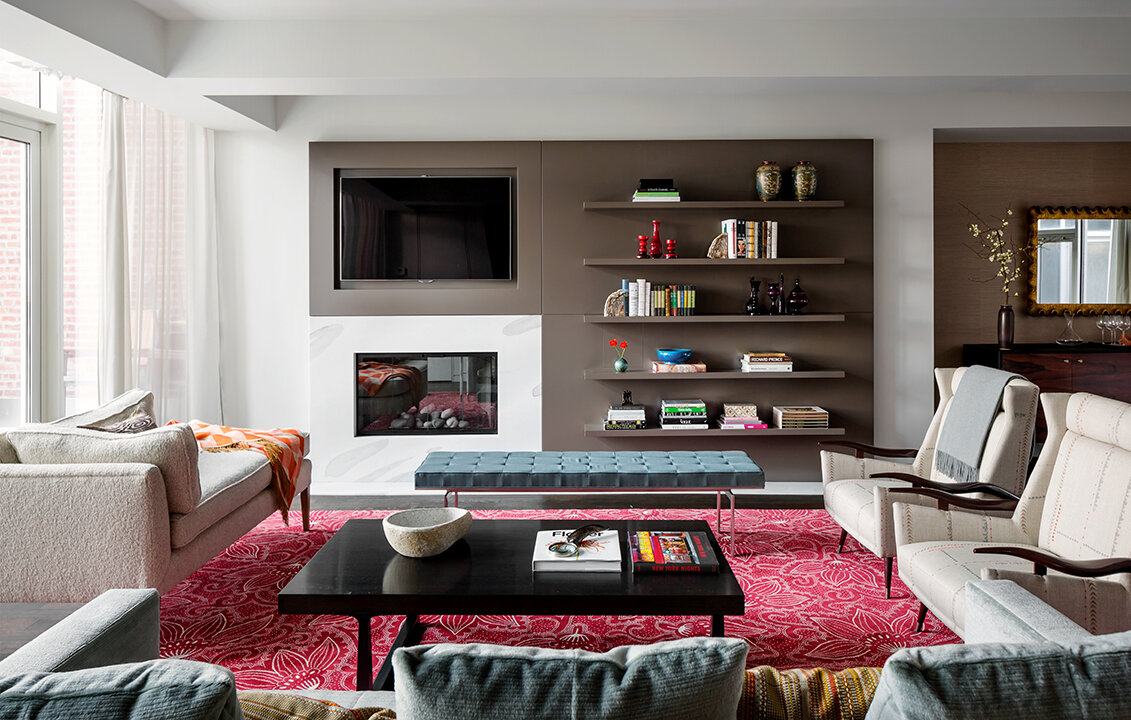
In some interiors, a low, horizontal media unit reinforces a relaxed, open feel. In others, a more architectural approach—integrated shelving or full-height millwork, helps anchor the room. Custom design allows these decisions to respond directly to the space, rather than forcing standard dimensions to fit.
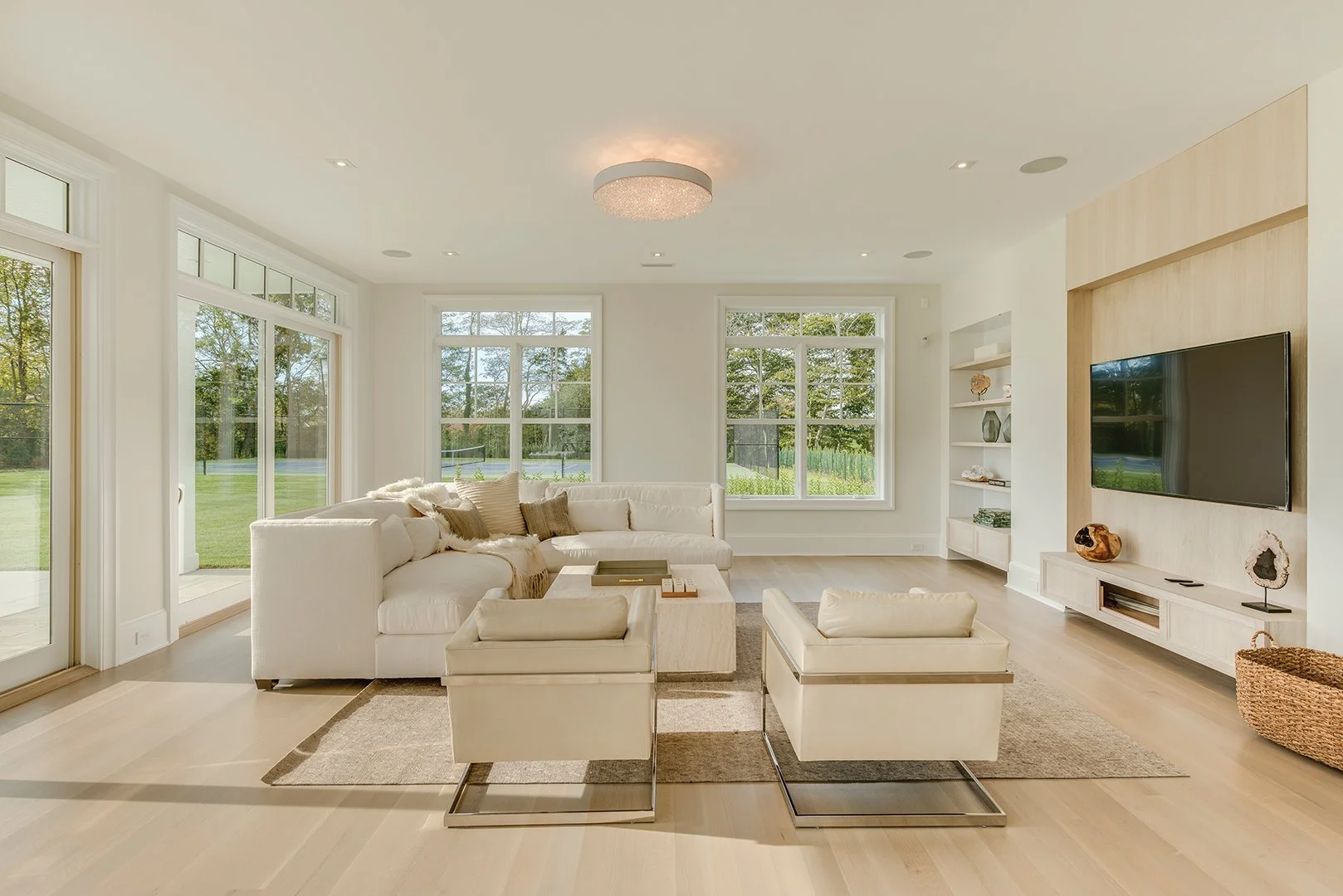
Classic Hamptons-style living area with built-in storage and media wall unit by Wood & Co.
Open vs. Closed: Finding the Right Balance
Media units often benefit from a mix of open and closed storage. Open shelving can add warmth and personality, offering space for books, objects, or art. Closed cabinetry keeps equipment and less attractive items out of sight.
The right balance depends on how the space is used and how much visual calm the homeowner prefers. In more formal living areas, concealed storage often dominates. In family rooms or casual lounges, a combination of open and closed elements can feel more appropriate.
What matters most is intention. When each storage decision is purposeful, the media unit feels curated rather than cluttered.
Materials and Finishes That Support the Space
The media unit is often a visually prominent element in a given space. Its finishes should support the rest of the interior—not compete with it. Material choices are typically guided by the surrounding palette, lighting conditions, and desired mood.
In bright, open spaces, lighter finishes can help the unit feel integrated and unobtrusive. In cozier rooms, deeper tones or wood finishes can add warmth and depth. Regardless of the palette, durability and longevity remain important, especially in high-touch areas.
A well-chosen finish ensures the media unit continues to feel appropriate as the room evolves over time.
When Custom Media Units Make the Difference
Standard media consoles can work in some situations, but they rarely address all the variables involved—room proportions, technology needs, storage preferences, and long-term flexibility.
Custom media units allow designers to:
Control viewing height precisely
Integrate storage without excess bulk
Manage wiring and ventilation discreetly
Align millwork with architectural features
In high-end homes, these details matter. They transform a utilitarian setup into a composed, functional focal point that enhances daily life.
Final Thoughts
A media unit that truly works is one that supports comfort, organization, and visual balance, without calling attention to itself. When designed thoughtfully, it becomes part of the architecture of the room rather than an object placed within it.
Designing media units with intention allows living spaces to function better and feel calmer, even as technology continues to change. Through careful consideration of height, storage, proportion, and materials, media units can enhance how homes are experienced every day.
At Wood & Co, we design media units with the same care as any other built-in—ensuring they respond to the way our clients live, relax, and gather. Because in well-designed homes, functionality and refinement should always work together.



Have you ever been in a space so bright and welcoming? You are greeted by the soft sunlight highlighting beautiful custom paneled walls that wrap around the entire room. One of the important considerations in designing the space is the alignment of all the panels.