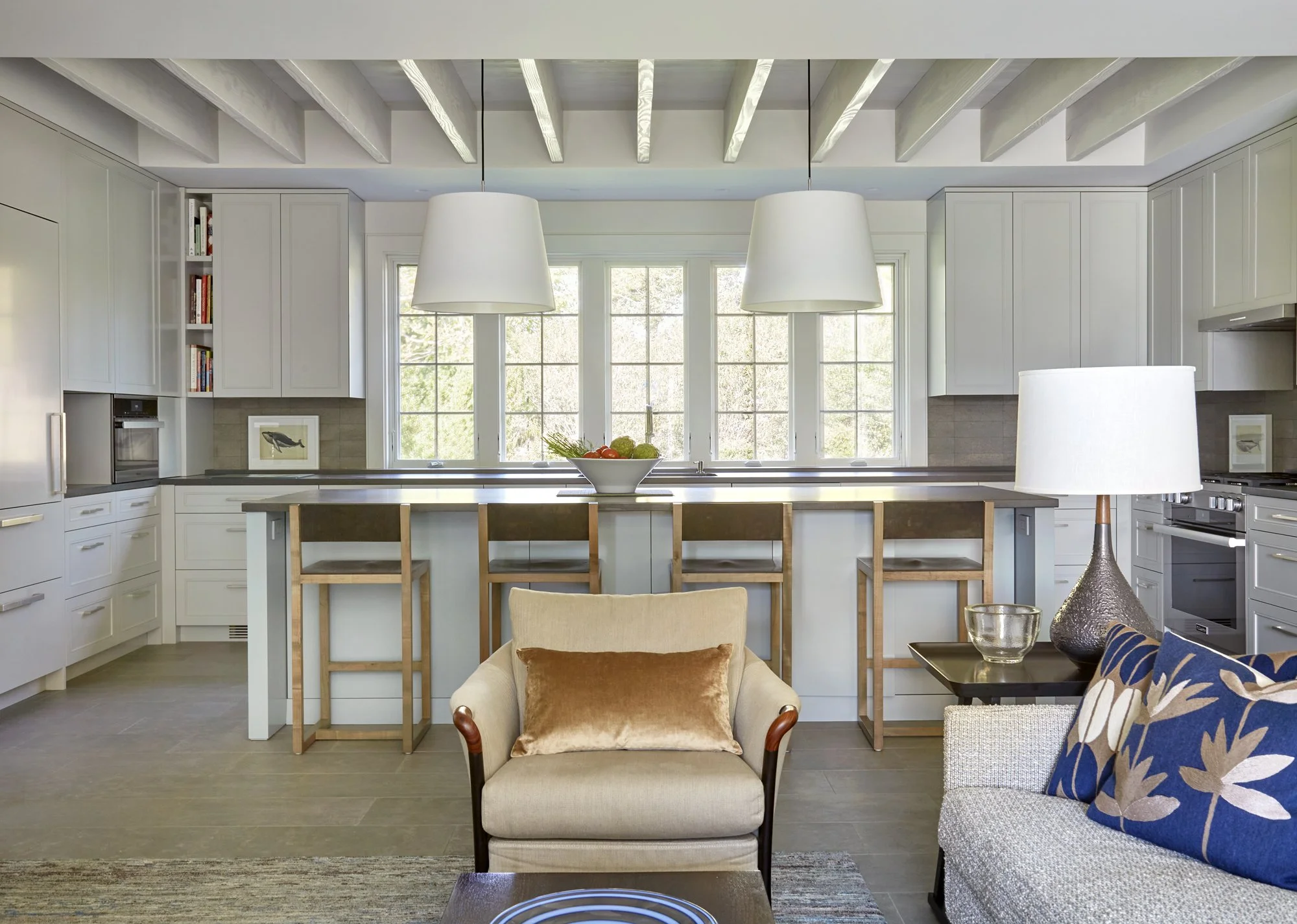
Imagine walking into your dream kitchen with stunning countertops, appliances that fit perfectly, and custom cabinetry that seems straight out of a magazine. But even high-end cabinets can hide issues that compromise function, durability, and style. Are your cabinets truly built to last?
A few months later, small issues begin to surface. A drawer sticks when you pull it out. A cabinet door no longer sits flush with its neighbor. A shelf starts to sag. At first, these problems seem minor, almost negligible. Over time, however, they compound, affecting both your kitchen’s functionality and its overall aesthetic.
These hidden issues are more common than most homeowners realize — and unfortunately, they often don’t become noticeable until after installation. The result? Costly repairs, frustrating adjustments, and a kitchen that doesn’t feel quite as polished as it should.
The good news: most of these mistakes are preventable. With proper planning, quality materials, and careful attention to detail, you can ensure your cabinets remain beautiful, functional, and durable for years to come. Let’s explore the most frequent custom cabinetry errors and how to avoid them.
Common Cabinetry Errors and How to Avoid Them
Even the most beautiful kitchen can be compromised by hidden cabinetry mistakes. Many errors don’t show up immediately—they develop gradually as cabinets are used daily, exposed to humidity, and subjected to the weight of appliances and kitchenware.
From poor material choices to misaligned doors, sagging shelves, or inefficient layouts, these mistakes can impact both the functionality and aesthetics of your space. The good news? Most of them are preventable with careful planning, quality materials, and thoughtful construction. While most errors can be prevented, achieving seamless, durable cabinetry often requires professional insight. Expert guidance ensures materials, construction, and layouts work together for the long term.
In the sections that follow, we’ll explore the most frequent cabinetry errors, the consequences they can create, and actionable strategies to avoid them—helping you ensure your cabinets remain durable, functional, and visually stunning for years to come.
1. Not Choosing Long-Lasting Materials
One of the biggest hidden mistakes in custom cabinetry starts long before fabrication: selecting the wrong materials. It’s tempting to pick just based on a color or finish you love, but the underlying material has a far greater impact on how your cabinets perform, age, and feel over time.
Cabinets built from low-grade particleboard, thin paper veneers, or hollow core doors may look fine initially, but they don’t last long. Daily use—opening and closing, weight from dishes and appliances, and changes in humidity—exposes their weaknesses. Over time, these poor material choices can cause cabinet boxes to sag, shelves to bow, doors to shift out of alignment, and edges to swell or chip when exposed to moisture. Even minor humidity in kitchens and bathrooms can cause certain materials to expand, leading to bulging panels, peeling finishes, or slowly separating joints. What starts as a small imperfection can compromise both function and appearance. If you want your cabinetry to last a decade or more, don’t cheap out on quality materials.
What Materials That Work Best for Cabinetry?
High-quality cabinetry balances durability with beauty. Some of the most reliable choices include:
Solid Hardwood Species - These provide strength, longevity, and visual richness, ideal for doors, frames, and visible surfaces. Popular options:
Real Wood Veneers on Stable Core Materials - Applying real wood veneers over stable cores like plywood gives the beauty of solid wood with added stability. This approach minimizes expansion or contraction, maintaining a premium look over time.
Reinforced Plywood for Cabinet Boxes - Plywood is strong, lightweight, and moisture-resistant, making it ideal for cabinet boxes and shelving. Its layered construction ensures durability where particleboard would fail.
2. Forgetting to Plan Around Your Appliances
Even if you select the right materials, cabinets can still underperform if appliances aren’t planned for properly. Ensuring the right materials and careful appliance integration can save headaches down the road—a detail professional cabinetry teams prioritize in every project.
Appliances aren’t just functional additions—they’re integral to cabinetry design. When cabinets are planned without considering appliance requirements, even well-built cabinets can encounter issues.
What Happens If You Don’t Plan Around Appliances?
Conflicts with Doors and Drawers – Poorly designed layouts can cause collisions between doors, drawers, and appliances, making everyday use frustrating.
Appliance Failure Due to Poor Ventilation – Restricted airflow can lead to overheating, reduced performance, and shortened appliance lifespan.
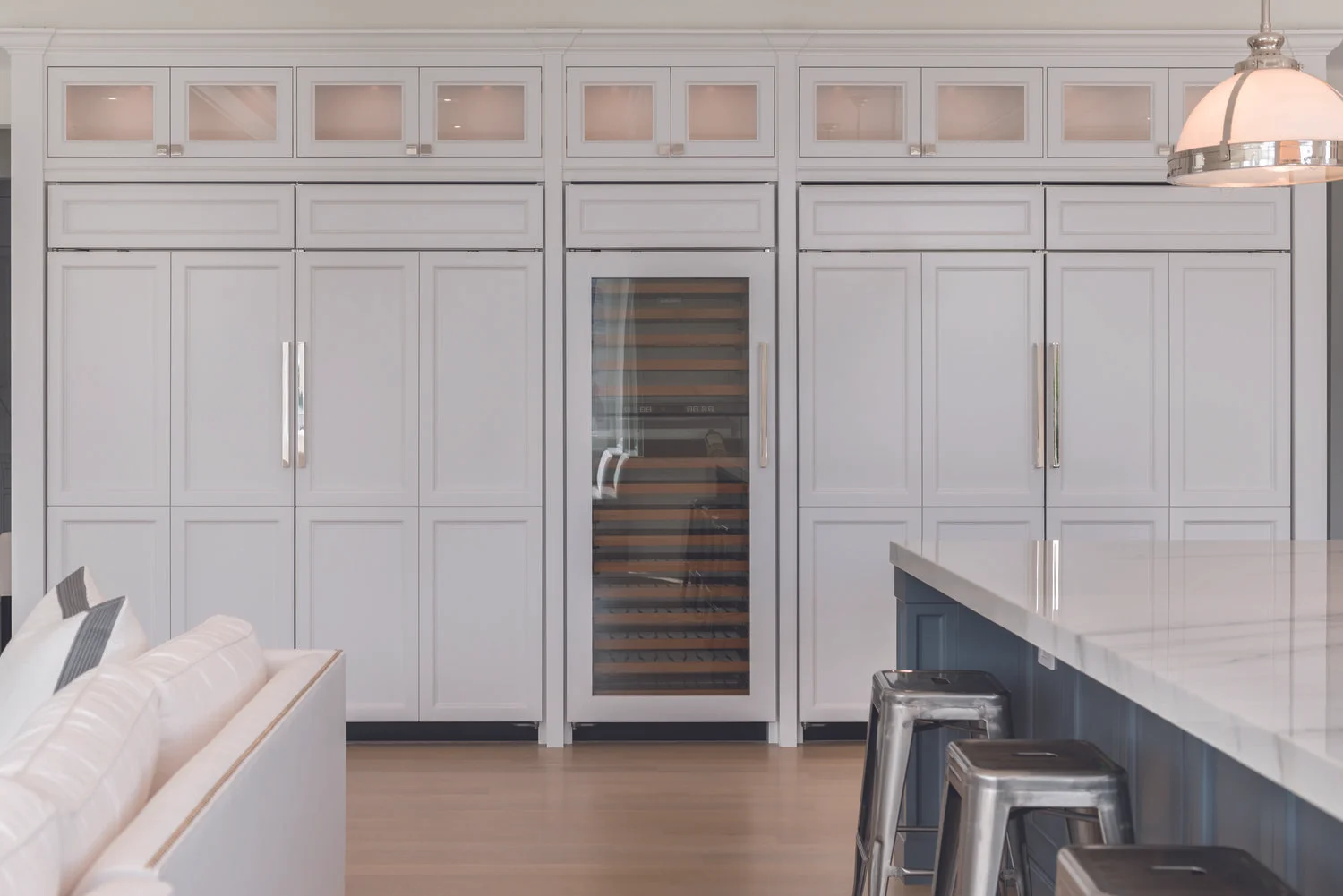
Poor Alignment Affecting Aesthetics – Panel-ready appliances need precise tolerances. Without proper planning, panels can sit unevenly, and reveals become inconsistent, compromising the integrated look.
How to Plan Cabinetry Around Appliances
Proper appliance planning goes beyond just measuring widths. Considering every detail ensures your cabinetry functions seamlessly and lasts for years. Here’s how homeowners can plan effectively:
Confirm Exact Dimensions Early
Measure not only the appliance’s height, width, and depth but also check for any protruding handles, knobs, or trim.
For panel-ready appliances, confirm the panel dimensions and installation specifications to maintain consistent reveals and alignment.
Allow for Proper Ventilation and Clearance
Appliances like refrigerators, ovens, and dishwashers need airflow to operate efficiently. Leaving too little clearance can cause overheating or damage over time.
Always check manufacturer-recommended clearance for both sides, top, and back of appliances.
Plan for Door Swings and Drawer Movement
Ensure cabinet doors and drawers won’t hit appliance doors or knobs when opened fully.
Consider handle placement and hinge types to avoid collisions. For corner cabinets, think about pull-out trays or swing mechanisms that work with appliance placement.
Consider Service and Maintenance Access
Appliances need occasional maintenance or removal. Plan access panels or enough room behind/around the appliance so it can be serviced without dismantling cabinetry.
Integrate with Workflow and Ergonomics
Place frequently used appliances near prep areas and ensure natural movement between the sink, stove, and refrigerator.
Ensure dishwasher placement allows easy loading/unloading without blocking cabinetry or counters.
Plan Electrical and Plumbing Requirements Early
Cabinetry design should account for outlets, plumbing lines, and gas connections to avoid retrofitting later.
Leave access panels for concealed hookups to maintain aesthetics without sacrificing practicality.
Work with a Professional Designer or Millwork Team
Even small miscalculations can affect alignment and function. Consulting with experts ensures cabinets are built to accommodate appliances precisely, reducing costly adjustments later.
Treat appliances as integral parts of your cabinetry, not afterthoughts. Proper planning now saves headaches later, ensuring a seamless, functional, and visually pleasing kitchen for years. Beyond planning for appliances, the quality of construction and installation determines whether your cabinets stand the test of time.

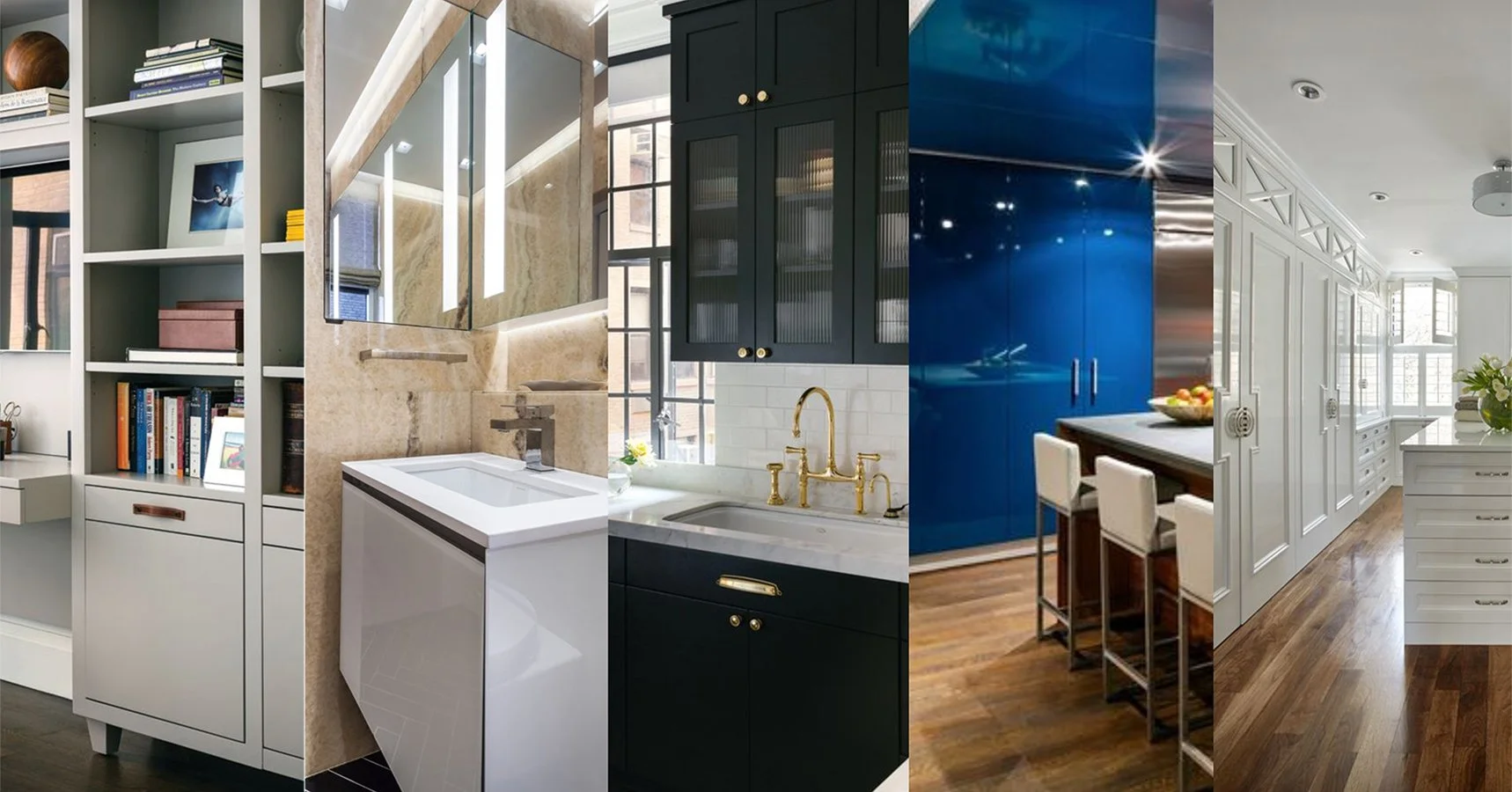
Lacquer painted finish galley kitchen by Wood & Co.
3. Poor Construction & Installation
Even premium materials and thoughtful design can fail if cabinetry isn’t built and installed correctly. Poor construction and installation are often hidden at first but can have lasting consequences.
Signs of Poor Cabinet Construction & Installation
Sagging Due to Lack of Reinforcement – Cabinets that aren’t reinforced properly, especially wall-mounted units or bases supporting heavy appliances or stone countertops, can dip or bow over time.
Misaligned Doors and Drawers – Without precise construction, doors and drawers may sit unevenly, reveal inconsistencies appear, and drawers can stick or rub. This disrupts the smooth functionality that custom cabinetry should provide.
How to Ensure Solid Cabinetry Construction
Use Reliable and Adjustable Hardware – Trusted brands like Häfele and Blum allow fine-tuning over time. Soft-close hinges, undermount drawer slides, and concealed adjustments keep doors and drawers aligned for years.
Reinforce High-Load Areas – Cabinets supporting heavy countertops or large appliances require thicker backs, reinforced panels, and properly anchored mounting rails.
Choose Proven Joinery Methods – Techniques like dovetail drawer construction and cope-and-stick panel doors strengthen cabinets at stress points while accommodating natural wood movement.
When cabinetry follows these construction principles, it looks refined, operates smoothly, and stands the test of time. Using proven joinery methods and quality hardware, as professional studios do, ensures cabinets remain reliable over time.
4. Cabinet Layout That Hurt Daily Function and Accessibility
Cabinetry should make daily routines easier, not more complicated. Ignoring ergonomics and accessibility is one of the most overlooked design mistakes.
What Happens When You Have a Poorly Planned Cabinet Layout?
Annoyance and Frustration – Cabinets that are hard to reach, require excessive bending, or demand a step stool create daily inconveniences.
Inefficient Storage Access – Deep base shelves, unreachable upper cabinets, and blind corners waste space. Poorly placed appliances disrupt natural workflow, making everyday tasks slower.
How to Optimize Cabinetry Layouts for Daily Use
Prioritize Easy Storage Access – Use full-extension drawers and pull-out trays to make items easy to see and reach.
Design for Comfortable Reach – Place upper cabinets and appliances within natural reach to reduce strain.
Consider Daily Workflows – Store frequently used items where they’re intuitive to access, enhancing efficiency and ease of use.
Well-planned layouts enhance daily life — professional designers can help translate your workflow into cabinet design that’s both beautiful and functional.
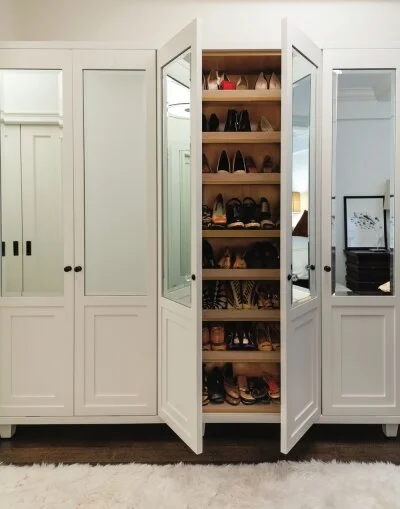
Custom entryway cabinets by Wood & Co.
Why Fixing These Errors Matters for Longevity and Value
Individually, these mistakes might seem minor, but together they significantly impact cabinet performance, aesthetics, and longevity. Poor materials, weak construction, appliance misplanning, and inefficient layouts affect durability, comfort, and satisfaction.
Addressing these issues early prevents costly repairs, maintains smooth operation, and preserves the intended design of your space. Well-executed cabinetry works quietly in the background—drawers glide smoothly, doors open effortlessly, and storage feels intuitive. Paying attention to these details isn’t about overbuilding; it’s about making informed choices that protect your investment and enhance daily life.
Final Thoughts
Cabinetry succeeds when planning, material selection, and craftsmanship are treated as a unified process. Every decision—from construction techniques to appliance integration and layout design—affects long-term usability and durability.
This is the philosophy behind millwork studios like Wood & Co, where cabinetry is treated as part of a home’s architecture, not just its furnishings. By combining technical planning, premium materials, and expert craftsmanship, we create spaces that are both beautiful and highly functional for years to come.
For homeowners considering custom cabinetry, partnering with a team that prioritizes these details ensures that cabinets don’t just look beautiful—they feel effortless and stand the test of time.