
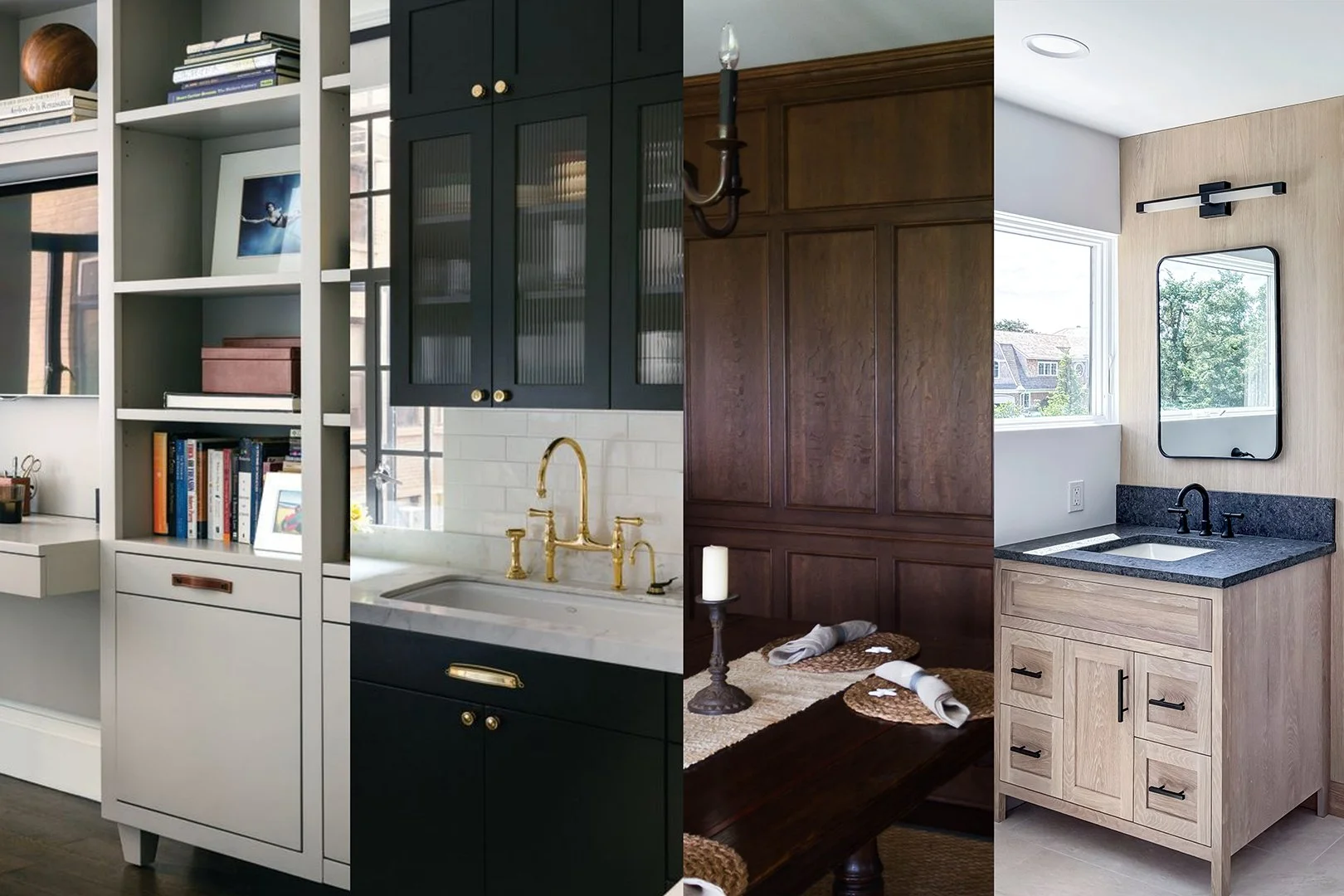
Custom cabinetry is often one of the most enduring investments in a home. Unlike furniture or décor, it is designed to live with you for decades—opening and closing daily, exposed to light, moisture, heat, and constant touch. While style and layout are usually the first considerations, one decision quietly determines how cabinetry will age over time: the finish.
Finish choices are not simply aesthetic. They play a critical role in protecting materials, preserving craftsmanship, and ensuring cabinetry continues to look refined long after installation. At Wood & Co, we often remind clients that the best finishes don’t just look beautiful on day one—they are designed to perform, evolve, and age with intention.
Understanding how different finishes behave over time allows homeowners to make choices that support both longevity and lifestyle.
Finish as Protection, Not Just Decoration
In custom cabinetry, finishes are the first line of defense. It shields wood and engineered materials from moisture, staining, ultraviolet exposure, and everyday wear. More importantly, it determines how forgiving cabinetry will be as it responds to daily use.
Kitchens experience heat, steam, grease, and frequent cleaning. Bathrooms are exposed to humidity and condensation. Bars and pantries endure spills and repeated handling. Wardrobes and studies may face less moisture but are still subject to abrasion, oils from hands, and shifting light throughout the day.
A well-considered finish accounts for all of this. Rather than focusing solely on color or sheen, designers look at how a finish will protect surfaces, conceal wear, and maintain its character over time. When chosen correctly, the finish works quietly in the background, allowing the cabinetry itself to remain the focal point.
How Different Finishes Age Over Time
While all finishes serve a protective role, they age in different ways. Understanding how each type responds to daily use, environmental exposure, and maintenance helps homeowners choose finishes that align with both their lifestyle and expectations for long-term performance.
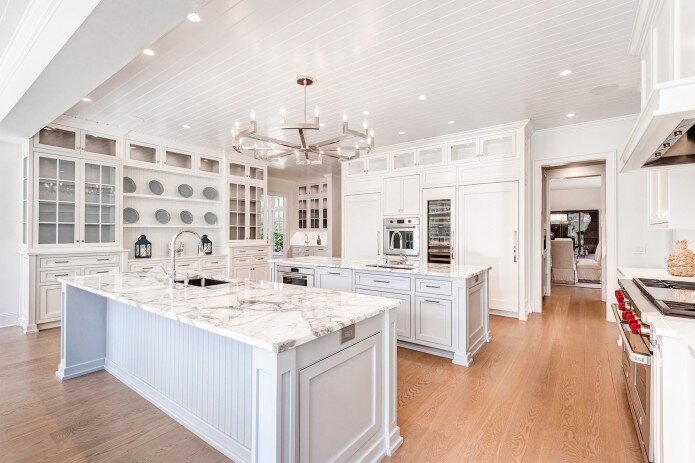
Bright all-white painted kitchen cabinets by Wood & Co.
Painted Finishes
Painted cabinetry remains one of the most versatile options in custom millwork, offering a clean, architectural presence that works across a wide range of interiors. Their uniform appearance, ease of color matching with walls and trims, and overall ease of design coordination makes them a popular choice for both designers and homeowners alike.
Painted cabinetry finishes relies heavily on correct preparation and application. Proper sanding, sealing, and multi-layer finishing create a surface that resists chipping and holds up to daily use. When executed correctly, painted finishes can age remarkably well, maintaining their integrity for many years. There are, however, some key points about their durability to keep in mind:
Painted surfaces are more likely to chip or show wear at edges, corners, and high-touch areas over time.
Dust, fingerprints, and debris are more noticeable, particularly on lighter colors, requiring more frequent cleaning.
Less than ideal for high-traffic homes or households with pets and children, as painted cabinetry may show signs of wear sooner, even when well maintained.
Small dings and scratches can be touched up with paint, as long as you have the same color on-hand.
Painted finishes work best for homeowners who value design clarity, visual cohesion, and color flexibility; while also being comfortable with periodic upkeep. Cabinets with painted finishes can be long-lasting when done properly, but they are generally less forgiving of wear than natural wood. If you go for painted cabinets, make sure not to neglect regular maintenance!
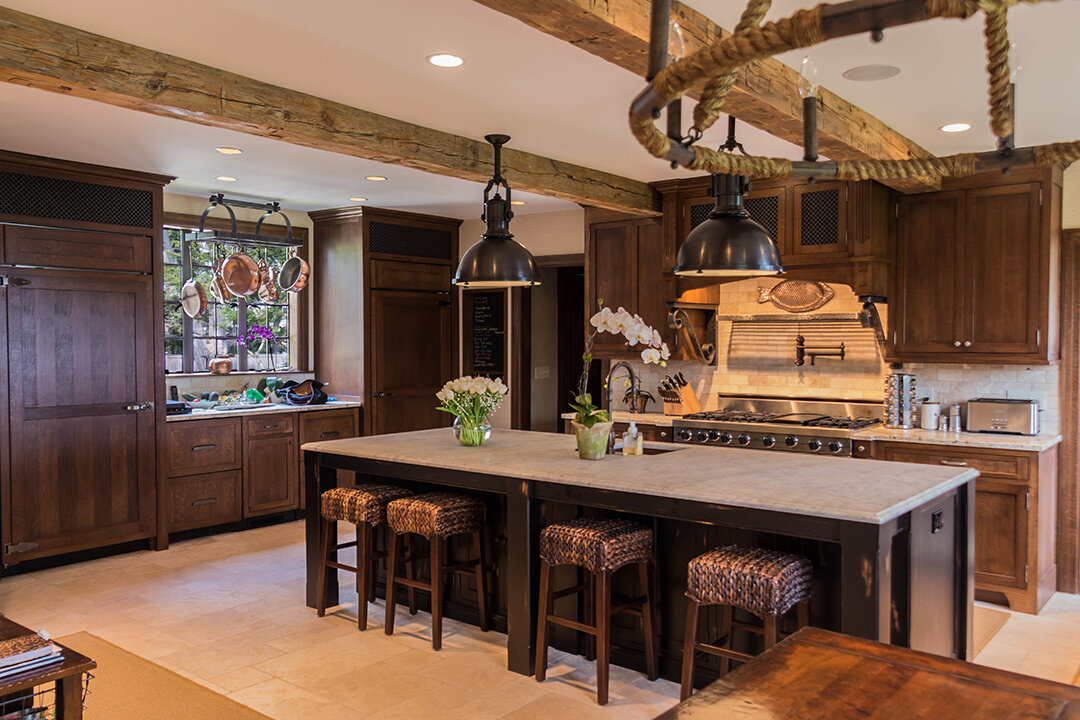
Rich and warm walnut finish kitchen cabinets by Wood & Co.
Natural Wood Finishes
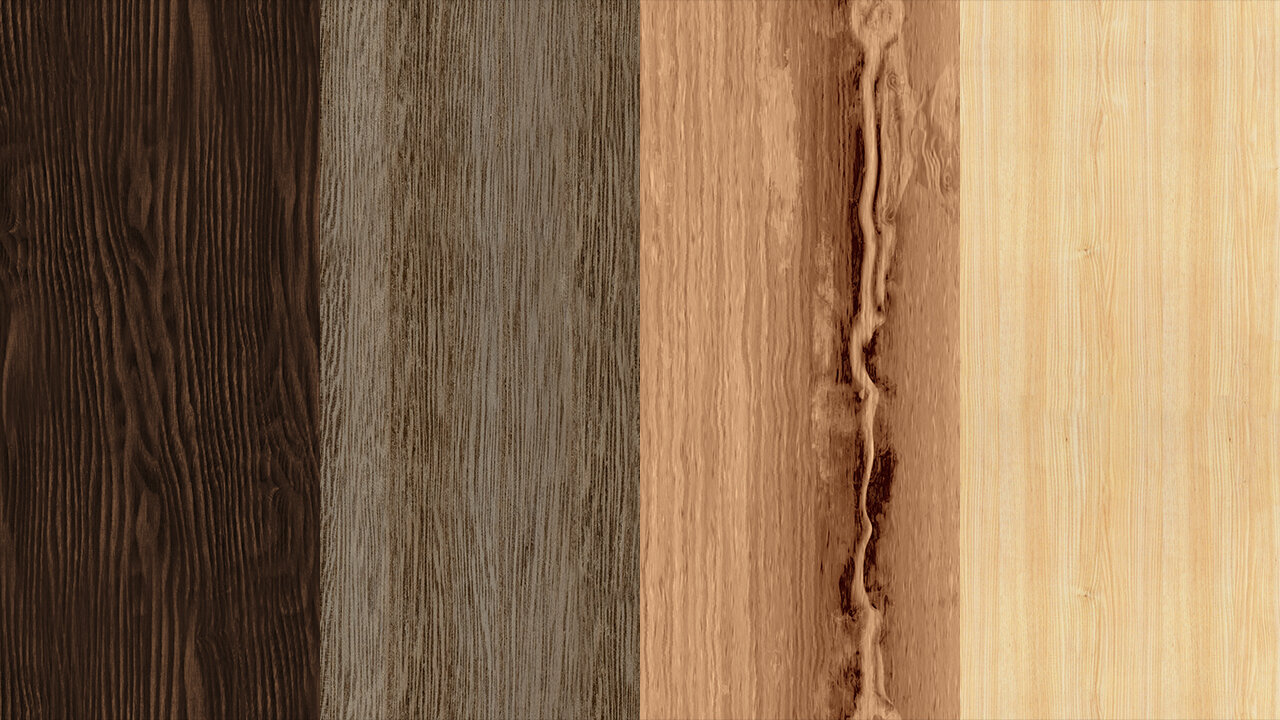
Wood finishes offer a different kind of longevity—one rooted in character and evolution rather than consistency. Unlike painted surfaces, wood finishes naturally change. Exposure to light, air, and touch deepens tone and enhances grain definition, creating a natural patina that many homeowners find increasingly beautiful over time. While not without limitations, wood tends to perform exceptionally well over time.
Minor wear tends to blend into the material rather than stand out, allowing cabinets to look pristine longer. This makes it ideal in busy households with pets or small children.
Sun and UV exposure can cause wood stains to bleach and shift in color, leading to inconsistencies over time, especially if you have plenty of natural finish cabinets in the same space.
Depending on the stain, oil, or coating used on the wood, even small touch-ups require more effort than a painted finish. Additionally, due to wood’s natural patina, it may be more difficult to match colors on older cabinets even when using the same finishing products.
Wood finishes are less uniform by nature—variations in grain, color, and tone are inherent and may not suit every design style. Natural wood finishes work best for homeowners these variations and embrace warmth, texture, and authenticity of materials. Those who can appreciate this will be rewarded with cabinets that wear more gracefully—often lasting longer and looking better as the years go by.
High-Sheen vs. Low-Sheen Finishes
Another factor that affects both painted and natural finishes is the sheen level. It comes in different levels ranging from matte (low-sheen) to glossy (high sheen). This influences how finishes reflect light and reveal wear over time. We go over it in greater detail in a separate blog article on choosing the right cabinet sheen. Here’s a quick overview of how it affects durability.
Lower-sheen finishes tend to disguise minor imperfections and soften visual movement.
Higher-sheen finishes reflect more light but may reveal fingerprints, scratches, and surface changes more quickly.
Neither option is inherently better—the right choice depends on usage, lighting, and maintenance expectations.
The Role of Environment in Finish Longevity
One of the most overlooked factors in finish performance is the environment itself. The same cabinetry finish can behave very differently depending on where it is installed. Homes in coastal areas experience higher humidity and salt exposure, which can affect both painted and wood finishes. Sun-filled interiors accelerate color shifts, while darker, enclosed spaces may require finishes that help balance light. Temperature and humidity fluctuations across seasons cause wood to move, which can lead to cracks in your cabinet’s finishes.
Designers account for these variables early in the specification process, adjusting finishes to ensure cabinetry remains stable, balanced, and visually consistent within its surroundings.
Durability Is Also About Maintenance
Longevity is not only determined at installation—it continues through care and use. Some finishes are more forgiving, requiring minimal maintenance to look their best. Others demand more attention but reward homeowners with depth and richness.
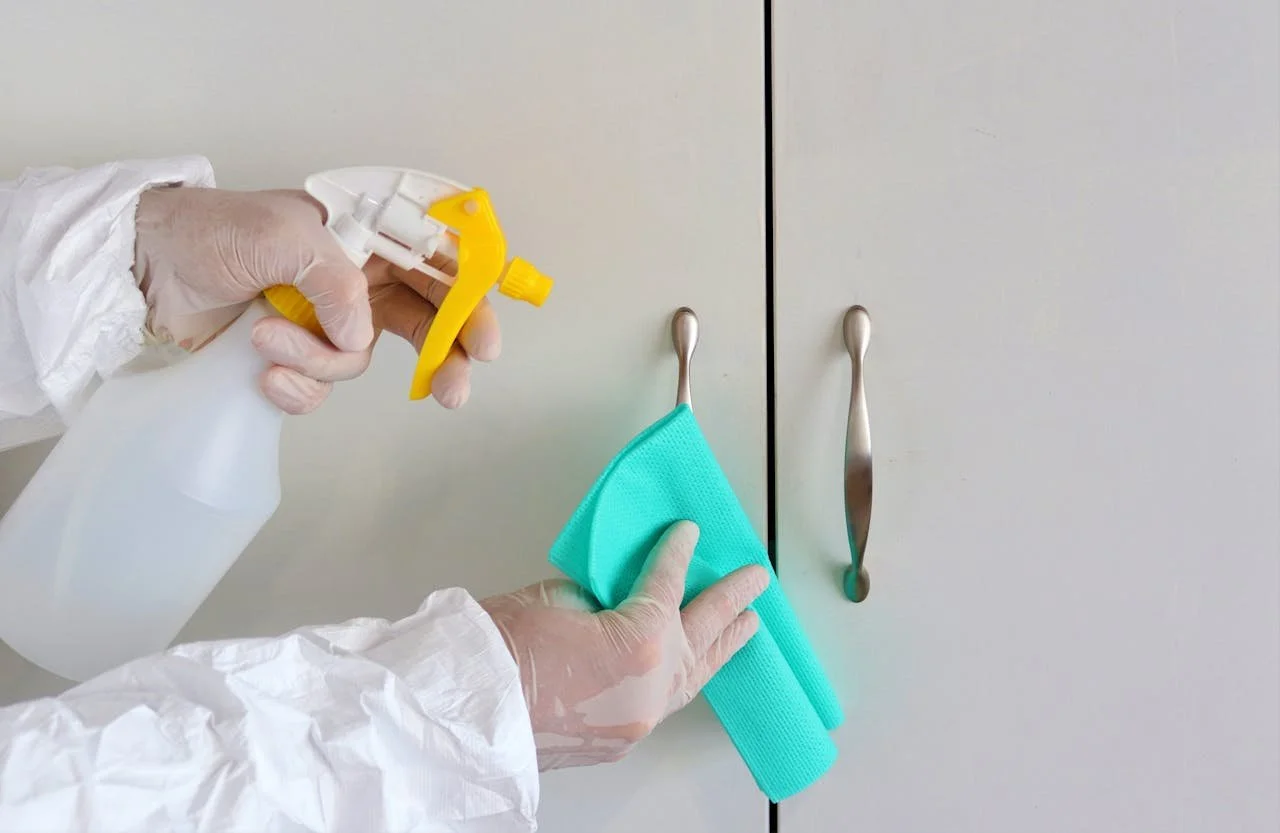
Painted finishes generally respond well to gentle cleaning and occasional touch-ups. Wood finishes benefit from proper care that preserves their surface without stripping their natural oils. Understanding these needs allows homeowners to participate in the longevity of their cabinetry rather than work against it.
Importantly, finishes chosen with maintenance in mind tend to age more gracefully. When homeowners know how to care for their cabinetry—and when that care aligns with their lifestyle—the result is a space that continues to feel refined rather than worn.
Designing with Finishes That Age Gracefully
Longevity in cabinetry isn’t only about how a finish holds up physically—it’s also about how it holds up visually over time. Even durable finishes can feel tired or out of place if they’re chosen without consideration for how a space will be lived in and how materials naturally change with use.
Proper planning allows finishes to age gracefully rather than simply endure. Thoughtful finish selection supports ease of maintenance, visual balance, and long-term satisfaction. Patina, when anticipated and embraced, becomes a marker of quality rather than a flaw—allowing cabinetry to feel lived-in, cared for, and enduring. Whether painted or stained, matte or softly reflective, the most successful finishes are those selected with longevity in mind—responding to the space, the environment, and the people who use it. They are not chosen for novelty, but for performance, balance, and enduring appeal.
This level of foresight depends on working with professionals who understand the nuances of materials, finishes, and real-world use. Knowing how paint responds to impact, how wood develops character, and how environments influence aging allows finishes to be chosen not just for their initial appearance, but for their performance over time.
At Wood & Co, we ensure that every finish is chosen to protect, enhance, and age beautifully—because cabinetry should feel as timeless as the home it inhabits.


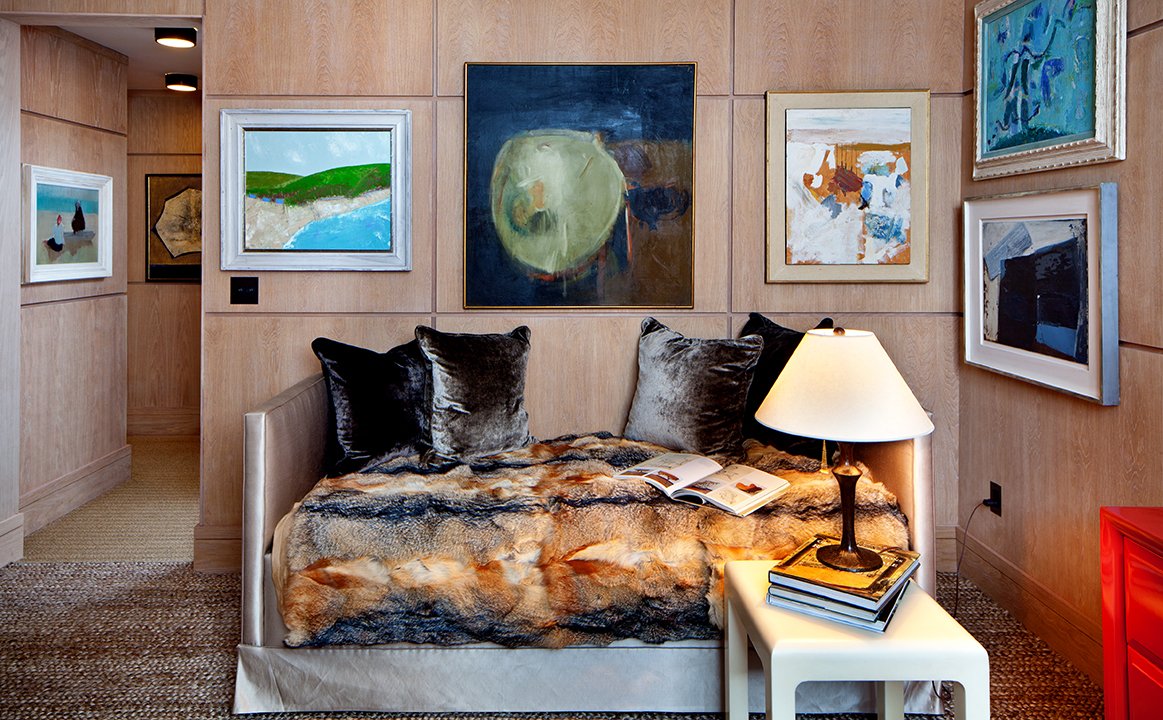
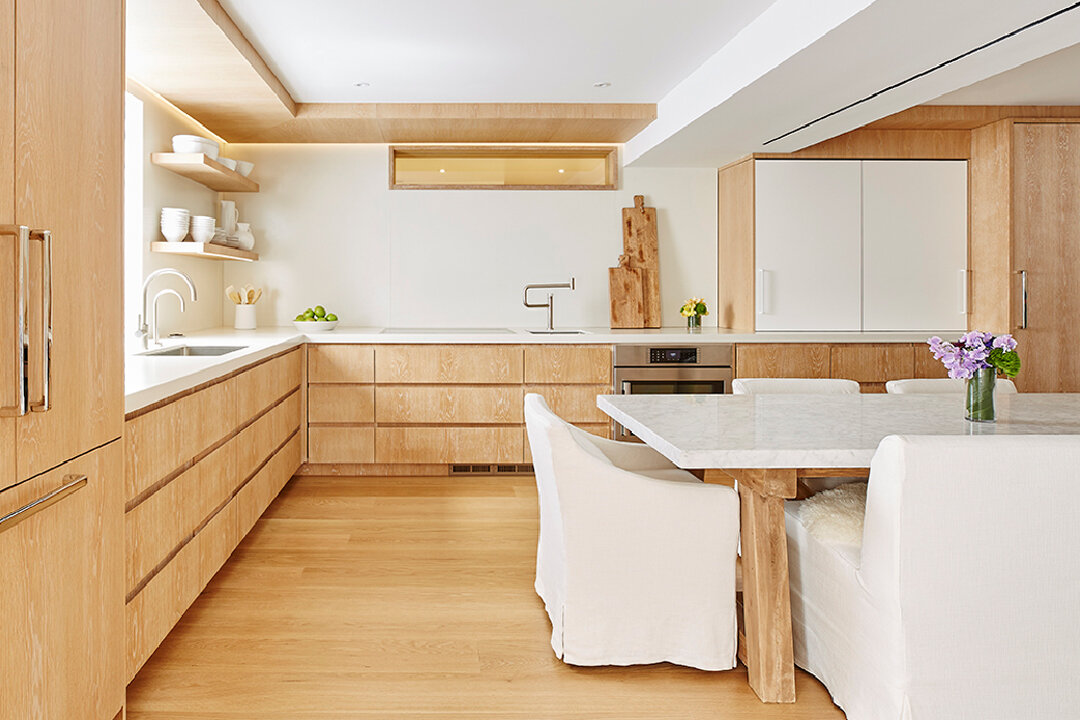
Cerusing is a wood finishing technique that emphasizes the natural character of grain in wood. This is also called a “limed finish” because of the white liming wax or diluted paint used in modern cerusing techniques. A cerused wood finish mutes the original color of the wood and greatly emphasizes the wood’s natural grain and texture. It’s used in a variety of applications such as furniture, chests, cabinets, cabinetry, and even light fixtures.