When planning a bathroom renovation, the vanity often becomes one of the most important decisions you’ll make. It’s not just a place for the sink—it’s where daily routines begin and end. The vanity sets the tone for the room, influences how the space functions, and can dramatically shape how the bathroom feels.
One of the most common questions a homeowner faces is whether to choose a floating bathroom vanity or a freestanding bathroom vanity. Both styles can work beautifully, but each creates a different experience in terms of design, storage, and practicality.
Understanding how they differ can help you choose the option that truly fits your home and your lifestyle. Let’s look at both options in-depth.
Floating Bathroom Vanities
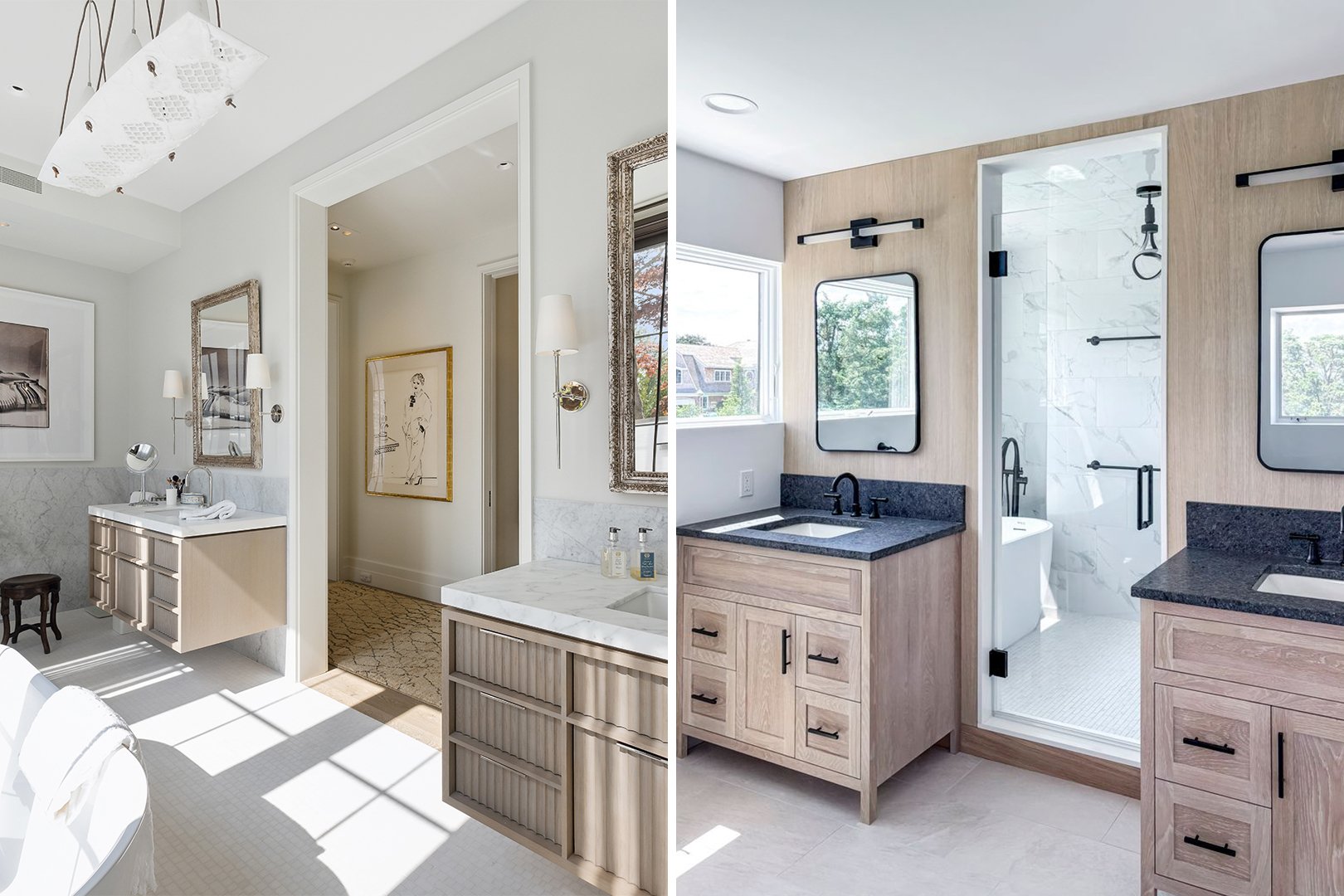
Floating vanities, sometimes referred to as wall-mounted vanities, are installed directly onto the wall and leave open space underneath. While this may seem like a small design decision, it can have a surprisingly strong impact on how the entire bathroom feels.
Because the floor remains visible beneath the vanity, the room tends to feel more open and visually light. Designers often use floating vanities intentionally in bathrooms where space is limited, as exposing more of the floor can create the perception of a larger room.
Why Floating Vanities Work Well
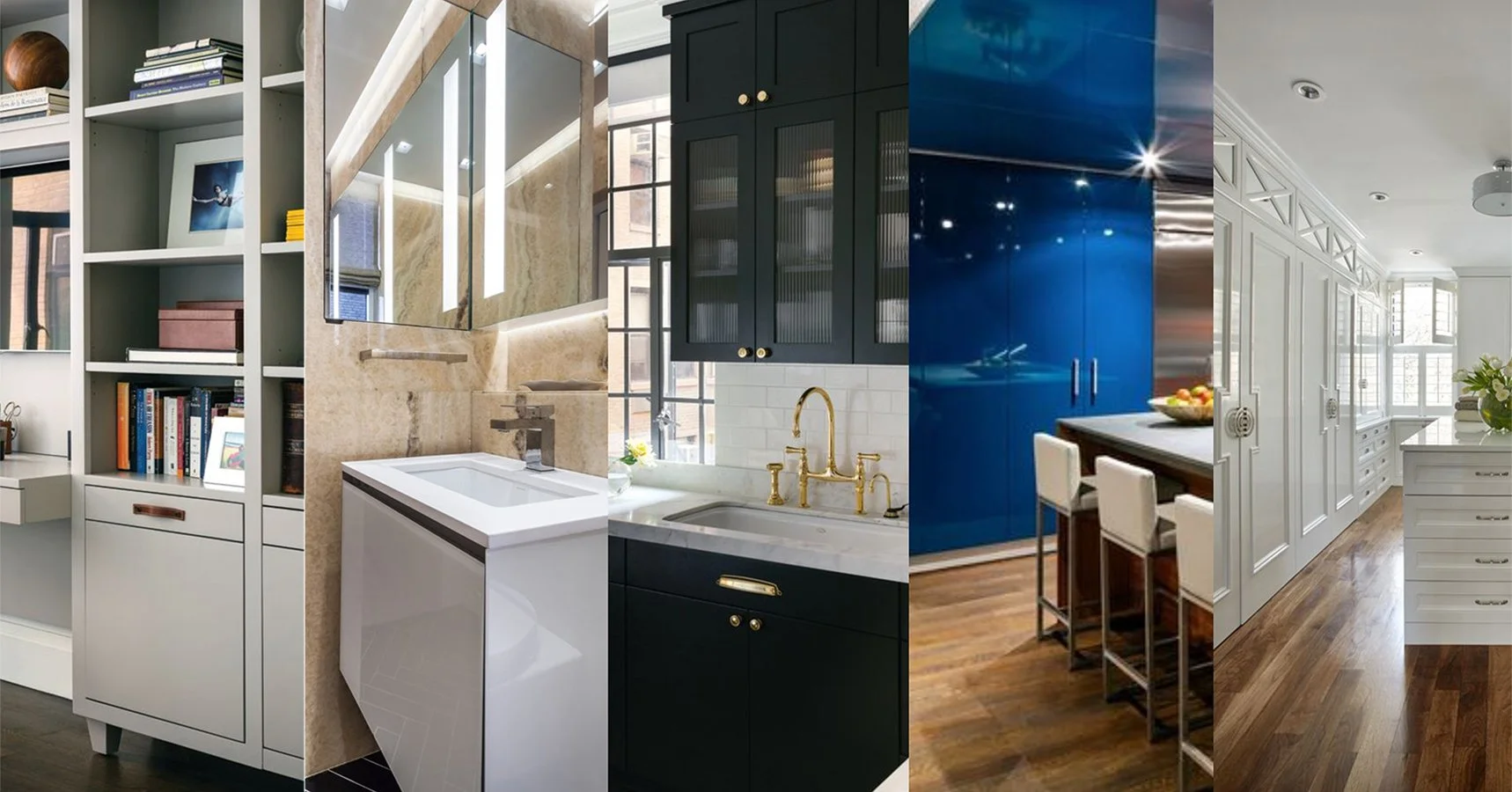
Floating vanities work well in a variety of bathroom designs, offering a balance between visual lightness and practical functionality. Mounted to the wall, they create a more open feel by keeping the floor area visible—helping the space appear less crowded and more organized.
Their elevated design allows surrounding materials and finishes to stand out, while also contributing to a cleaner, more streamlined overall look. With the right detailing, floating vanities can adapt easily to different design directions without feeling out of place.
They are especially effective in bathrooms that aim to achieve:
a clean and uncluttered look
a lighter and more open atmosphere
Practical Benefits of Floating Vanities
Beyond their visual impact, floating vanities also offer several practical advantages:
Easier floor cleaning and maintenance due to open space underneath
Can be installed at a customized height for improved comfort and accessibility
Reduces visual and physical bulk, improving movement within the space
Helps highlight flooring materials by keeping them fully visible
Floating vanities can emphasize clean lines, refined proportions, and subtle detailing—enhancing both functionality and a greater sense of openness.
freestanding Bathroom Vanities
Freestanding vanities take a more traditional approach. Instead of mounting to the wall, they sit directly on the floor, much like cabinetry or a piece of furniture.
This structure gives freestanding vanities a sense of solidity that many homeowners appreciate. In many cases, the vanity becomes the centerpiece of the bathroom, anchoring the space both visually and functionally.
Why Freestanding Vanities Work Well
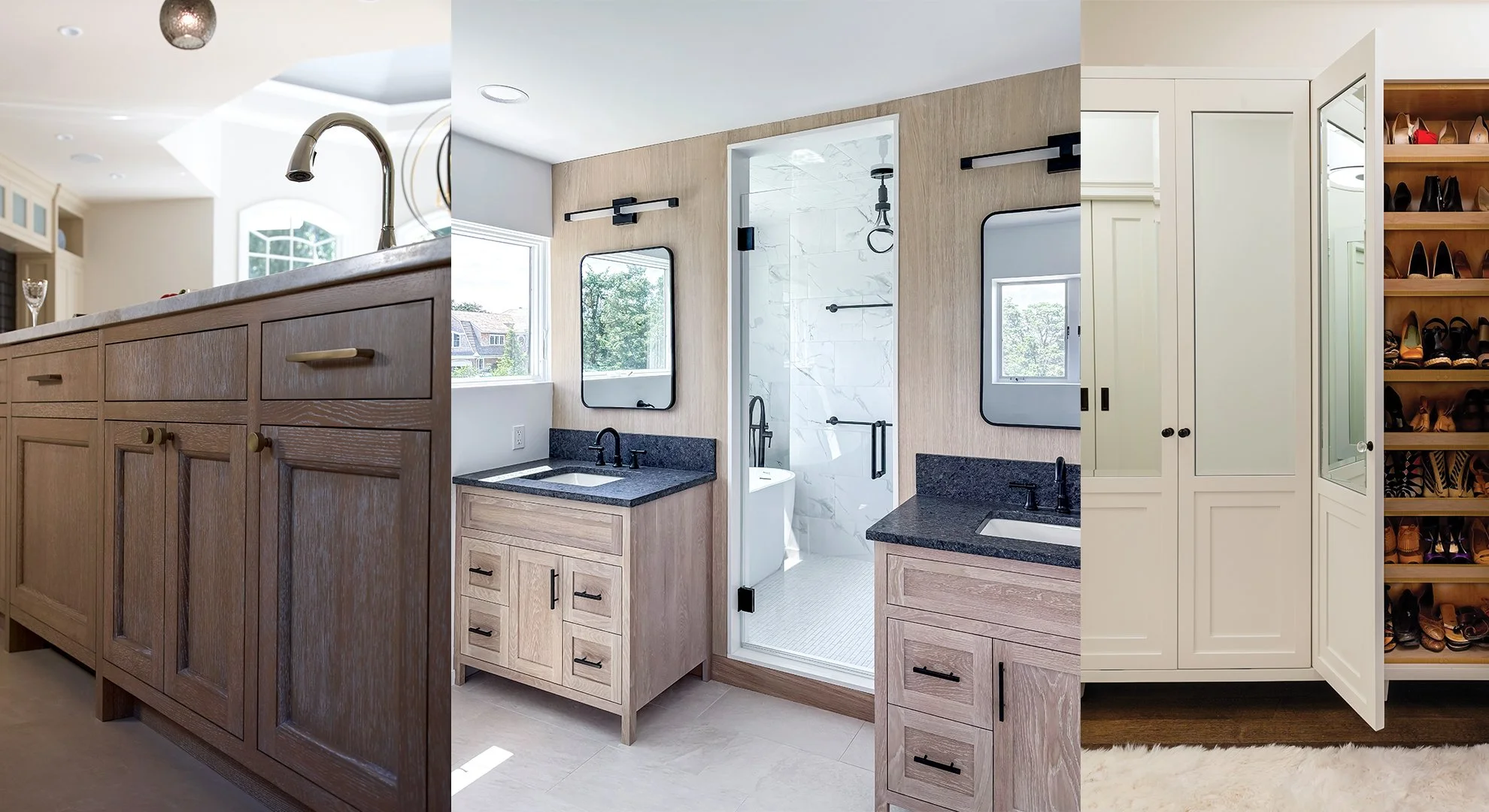
Freestanding vanities work well because of their furniture-like character, bringing a sense of warmth, familiarity, and craftsmanship into the bathroom. Unlike wall-mounted designs that blend into the architecture, they stand as a distinct piece—adding depth and visual interest to the space.
Their grounded presence helps create a more defined and structured look, making the bathroom feel complete and well-composed. With built-in cabinetry, drawers, and detailed finishes, they offer both visual richness and practical functionality.
This makes them especially effective in bathrooms that aim to achieve:
a warm and inviting atmosphere
a well-defined and grounded layout
a balanced and cohesive overall look
Practical Benefits of Freestanding Vanities
Beyond their visual appeal, freestanding vanities also offer several practical advantages:
Provides a sturdy, full-bodied structure with ample storage capacity
Conceals plumbing more easily for a cleaner, traditional appearance
Offers built-in cabinetry, drawers, and shelving for organized storage
Works beautifully with classic, transitional, or vintage-inspired interiors
With thoughtful design, freestanding vanities can incorporate detailed moldings, decorative legs, and rich finishes—enhancing both functionality and timeless charm.
Factors to Consider When Choosing Between Floating or Freestanding Vanities
Choosing between floating and freestanding vanities isn’t just about looks—it’s about how each option fits your space, lifestyle, and long-term use. The right choice balances design, functionality, and practical constraints.
Design & Style
Floating vanities suit modern, minimalist spaces with their clean lines and open feel. Freestanding vanities work well in traditional or transitional interiors, adding warmth and a furniture-like presence. In mixed-style homes, either can work as long as the overall look remains cohesive.
Maintenance & Durability
Floating vanities make cleaning easier by keeping the floor clear and reducing moisture exposure. Freestanding vanities may require more effort to clean around the base and need proper sealing to protect against water over time.Storage & Daily Use
Freestanding vanities offer more storage capacity, ideal for bulkier items and households needing extra space. Floating vanities focus on efficient, streamlined storage—often with drawers—encouraging a cleaner, more minimal setup.Installation & Flexibility
Floating vanities require wall reinforcement and may need plumbing adjustments, making them more planning-intensive. Freestanding vanities are easier to install and adapt, especially in renovation projects.
Ultimately, the decision comes down to whether you prioritize a light, modern aesthetic with efficient use, or a more traditional, storage-rich solution that’s easier to install and maintain over time.

A dark wooden custom double sink bathroom vanity by Wood & Co.
The Value of a Custom Bathroom Vanity
While standard vanities can work in many situations, bathrooms often benefit from pieces designed specifically for the space.
A custom vanity allows you to tailor important details such as:
Dimensions that fit the room perfectly
Storage designed around your daily routine
Material selections that complement the overall interior
Thoughtful craftsmanship that elevates the design
Instead of adapting the space to fit a pre-made cabinet, the vanity becomes part of the architecture of the bathroom.
This philosophy of combining function with craftsmanship reflects the approach of designers who believe furniture should be both purposeful and beautifully made.
When a vanity is thoughtfully designed and carefully crafted, it becomes more than just a functional fixture—it becomes part of the experience of the space itself.
Final Thoughts
Choosing between a floating and a freestanding bathroom vanity ultimately comes down to how you want your bathroom to function and feel. Some spaces benefit from the light, modern presence of a floating design, while others feel more complete with the warmth and storage of a freestanding piece.
What makes the biggest difference, however, is not just the style of the vanity but the quality of its design and craftsmanship. When proportions are carefully considered and materials are thoughtfully selected, the vanity becomes more than a functional element—it becomes an integral part of the space.
For homeowners who want a vanity that truly fits their bathroom, custom design often offers the most flexibility. At Wood & Co., each piece is approached with attention to material, detail, and the way it will live within the home. Whether floating or freestanding, a well-crafted vanity can quietly elevate the entire room while supporting the everyday routines that happen around it.
Thoughtful design, natural materials, and careful craftsmanship can turn even the most functional spaces into something enduring and meaningful.